
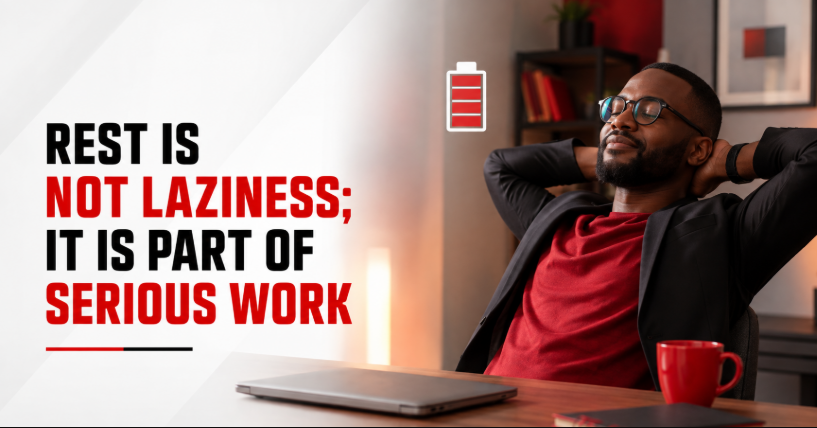
A culture that worships exhaustion often mistakes visible suffering for ambition. Long hours may sometimes be necessary, but permanent tiredness is not a business strategy. It weakens judgement, creativity, patience and health.
Rest is not the absence of responsibility. It is preparation to carry responsibility well. Sleep, quiet time, exercise, worship, family connection and genuine breaks allow the mind to recover from constant input.
Recovery protects judgement
Fatigue narrows attention. It makes small problems feel personal, encourages impulsive decisions and reduces the quality of creative work. The cost may appear as rework, conflict or opportunities missed because the mind had no space to think.
Rest should be designed before exhaustion demands it. A protected evening, a technology boundary or a weekly period of genuine quiet is maintenance, not a reward reserved for people who have completed an impossible list.
The answer is not to abandon discipline. It is to create boundaries: define a stopping time, protect at least one restorative period each week and notice the habits that steal rest without producing value. Endless scrolling is often stimulation, not recovery.
Sustainable people build sustainable careers. Your future should not require the destruction of the person who must live in it.
Practical application
- Identify the activity that restores you and the one that merely numbs you.
- Create a realistic end-of-work ritual and move unfinished tasks to tomorrow’s plan.
- Protect sleep and seek professional help when exhaustion becomes persistent.
Ambition needs endurance. Rest is one of the disciplines that allows good work to remain good over a long career.
Use technology to reduce repetitive work, not to fill every free minute with more work. Learn practical AI productivity at www.codedtv.com/8saturdaystraining.
Reader question: What is one practical change you will make after reading this?